Showing posts with label NUTRITION. Show all posts

THE HUNGRIEST COUNTRIES ON EARTH

     Most of the world’s hungry live in developing countries. According to the latest Food and Agriculture Organization (FAO) statistics from 2013, there are 842 million hungry people in the world and 98 percent of them are in developing countries. An American eats about 4,500 calories on the Thanksgiving gala. But unfortunately in other poor countries most of the people eat less than half of that in a single day, and many more are eating much less than that. In the time span between 2010 to 2012, about 870 million people weren’t able to eat enough food to satisfy their daily body need of energy.
    Most of the time we all try to sit around in large tables, eating too much, drinking too much, and avoiding necessary topics in discussion. Well at the same time people in other parts of the world are starving. There are several metrics for assessing and describing hunger. This list is arranged by the number of calories available each day to the average person, the % of a country’s population that is undernourished; the country’s calorie deficit, and the Global Hunger Index ranking.

THESE ARE THE HUNGRIEST COUNTRIES IN THE WORLD:
 1) BURUNDI: 1,670 calories per day;Undernourished: 67.3 percent;Calorie deficit: 581;GHI ranking: 78
 2) ERITREA: 1,730 calories per day;Undernourished: 61.3 percent;Calorie deficit: 488;GHI ranking: 77
 3) ZAMBIA: 1,910 calories per day;Undernourished: 43.1 percent;Calorie deficit: 306;GHI ranking: 69
 4) TIMOR ESTE: 1,920 calories per day;Undernourished: 38.3 percent;Calorie deficit: 254;GHI ranking: 75 
 5) HAITI: 1,980 calories per day;Undernourished: 49.8 percent;Calorie deficit: 431;GHI ranking: 67
 6) PALESTINIAN TERRITORIES: 2,090 calories per day;Undernourished: 31.8 percent;Calorie deficit: 211;GHI ranking: outranked
 7) SWAZILAND: 2,100 calories per day;Undernourished: 35.8 percent;Calorie deficit: 262;GHI ranking: 35
 8) COMOROS: 2,110 calories per day;Undernourished: 65.3 percent;Calorie deficit: 655;GHI ranking: 76
 9) MADAGASCAR: 2,160 calories per day;Undernourished: 27.2 percent;
Calorie deficit: 176;GHI ranking: 70
 10) DEMOCRATIC REPUBLIC OF CONGO: 2,170 calories per day;Undernourished: 33 percent;Calorie deficit: 234;GHI ranking: 61
 11) MOZAMBIQUE: 2,180 calories per day;Undernourished: 36.8 percent;Calorie deficit: 269;GHI ranking: 64
 12) KENYA: 2,180 calories per day;Undernourished: 25.8 percent;Calorie deficit: 166;GHI ranking: 51 (tied with North Korea)
 13) TANZANIA: 2,210 calories per day;Undernourished: 33 percent;Calorie deficit: 221;GHI ranking: 62
 14) RWANDA: 2,240 calories per day;Undernourished: 29.7 percent;Calorie deficit: 201;GHI ranking: 41
 15) NORTH KOREA: 2,240 calories per day;Undernourished: 31 percent;Calorie deficit: 238;GHI ranking: 51 (tied with Kenya)

     The other countries not included in this list but rank below 50 in the Global Hunger Index are: Sudan, Chad, Yemen, Ethiopia, Central African Republic, Sierra Leone, Burkina Faso, India, Niger, Djibouti, Bangladesh, Pakistan, Uganda, Angola, Laos, Namibia, Liberia.

Black Berry - The Best Fruit Of All

BLACKBERRIES

Blackberries refer to the plant of the genus and species Rubus fruticosis, as well as its fruit. Blackberries are perennial plants which typically bear biennial stems ("canes") from the perennial root system. The fruit of Blackberry is a bramble fruit (an aggregate of drupelets) with the receptacle is elongated and part of the ripe fruit, making the blackberry an aggregate-accessory fruit.
In botanical terminology, the fruit is not a berry, but an aggregate fruit of numerous drupelets. There are numerous subspecies and a number of cultivars that have been developed from common blackberries, including Marionberries, and Olallieberries. Blackberry fruit changes its color from yellow or green to red or dark red and then purplish-black or black when blackberries are ripe.
Blackberries are excellent eaten plain, or topped with ice cream. They make delicious jams, preserves, pies, honey and tarts. Blackberries in muffins are simply delicious, and blackberry scones are popular.

BLACKBERRY NUTRITION FACTS (100 G):

Calories — 43; Sugar – 5 grams; Fiber – 5 grams; Omega 3′s – 94. Mg; Antioxidants – 4.77 mmol; Glycemic Load – 3;Vitamin A – 4%;B Vitamins – 16%;Vitamin C – 35%;Vitamin E – 6%;Vitamin K – 25%;Potassium – 5%.
Composite Nutrition Score, Blackberries: 64


HEALTH BENEFITS OF BLACKBERRY:

- High levels of anthocyanins work as antioxidants to help fight free radical damage.
- helps prevent breast and cervical cancer, heart disease, stroke.
- fiber content helps maintain digestive health, reduce cholesterol levels, control blood sugar
- cyanidin-3-O-glucoside may help protect against endothelial dysfunction and vascular failure induced by peroxynitrite.

- gallic acid works as an anti-fungal and anti-viral antioxidant which is used to help treat hemorrhoids and psoriasis.
- The astringent blackberry root is sometimes used in herbal medicine as a treatment for diarrhea and dysentery.
- protect against pleurisy and lung inflammation.
- boost immune system.
- high in dietary fiber
- contain p-coumaric acid which can lower the risk of stomach cancer.
- fights oxidative stress, cardiovascular disease.
- flavonoids promote vision health
- prevents macular degeneration
- Evergreen blackberries contain ellagic acid which works as anti-carcinogen, anti-viral and anti-bacterial properties.
- helps reduce the risks of certain cancers.
- helps strengthen the blood vessels in body.
- ellagic acid as antiviral properties and help to lower high blood pressure
- anthocyanins prevent the effects of aging, diabetes, and neurological diseases.
- contains polyphenol antioxidants that can upregulate certain beneficial metabolic processes in mammals.

SOME UNKNOWN FACTS ABOUT THE BERRY:

·         Blackberries are rich in bioflavonoid and Vitamin C, but other nutritional benefits include a very low sodium count and having only 62 calories to a cup.
·         The dark color confirms that blackberries are a rich source of a particular antioxidant called Anthocyanin. This helps in lowering the risk of a number of cancers and strokes
·         Brambleberries, bramble, dewberry, thimbleberry and lawers are the various names of the fruit.
·         Blackberrie promotes the healthy tightening of tissue, which is a good non-surgical procedure to make skin look younger.
·         Prolonging the consumption also helps keeps your brain alert, thereby maintaining clarity of thought and good memory.
·         The high tannin content of blackberries reduces intestinal inflammation, alleviate hemorrhoids and soothe the effects of diarrhea. It is important to incorporate berries in your diet in a variety of ways. Have them as a snack or in your cereal or even as a smoothie.
·         The leaves and barks of the plant have also been consumed for it medicinal value. The leaves of blackberries have been used to treat mild inflammation of the gums and sometimes even sore throats.
·         The astringent tannins are effective in oral hygiene when used as a gargle or mouthwash.
·         The leaves can also be used in a refreshing cup of tea or enhanced as a therapeutic drink. The bitterness can be lowered by adding some honey to it.
·         The healthy dose of Vitamin K aids in muscle relaxing, so some women use the berries to alleviate labour pains and to regulate menstruation as it is very effective in helping blood to clot.


IRON ITS IMPORTANCE AND SOURCE

Iron is an essential element for most life on Earth, including human beings.Iron is the chief among the trace elements required for the body. The total content of iron is very small in the body about 3 to 5 grams in adults. Iron is needed for a number of highly complex processes that continuously take place on a molecular level and that are indispensable to human life, e.g. the transportation of oxygen around your body!

FUNCTIONS:-

Though the amount of iron in the body is very small, its presence is very important.

  • Iron is required for the production of red blood cells (a process known as haematopoiesis) but it's also part of haemoglobin (that is the pigment of the red blood cells) binding to the oxygen and thus facilitating its transport from the lungs via the arteries to all cells throughout the body.
  • Once the oxygen is delivered the iron (as part of haemoglobin) binds the carbon dioxide which is then transported back to the lung from where it gets exhaled.
  • Iron is also an essential constituent of many tissues (muscles), and of the Catalysts, which regulate oxidation- reduction reactions in the body.
  • Iron is also involved in the conversion of blood sugar to energy. Metabolic energy is crucial for athletes since it allows muscles to work at their optimum during exercise or when competing.
  • The production of enzymes (which play a vital role in the production of new cells, amino acids, hormones and neurotransmitters) also depends on iron, this aspect becomes crucial during the recovery process from illnesses or following strenuous exercise or competing.
  • The immune system is dependent on iron for its efficient functioning and physical and mental growth require sufficient iron levels, particularly important in childhood and pregnancy, where the developing baby solely dependis on its mother's iron supplies.

DAILY ALLOWANCES

Normally, we need very small quantities of iron in the food daily- that is about 20 to 30 mg. for the adult except under special circumstance as in accidents involving loss of blood, to compensate for the regular monthly loss during menstruation and in specially needs as in pregnancy, lactation and in adolescence.

DEFICIENCY

Deficiency of iron results in nutritional anemia due to insufficiency of hemoglobin, in the blood. Persons lacking iron gets tired easily.Iron is lost by the body through a variety of ways including urination, defecation, sweating, and exfoliating of old skin cells. Bleeding contributes to further loss of iron which is why women have a higher demand for iron than men.

If iron stores are low, normal haemoglobin production slows down, which means the transport of oxygen is diminished, resulting in symptoms such as fatigue, dizziness, lowered immunity or reduced sports performance in athletes.Since our bodies can’t produce iron itself we need to make sure we consume sufficient amounts of iron as part of our daily diet.

SOURCES

Eggs, liver and meat are excellent sources of iron. Among the plant foods, leafy vegetables, cereals, whole wheat flour, Italian millet, rice flakes are good sources of iron. Pulses, bajra, ragi, jowar and part-boiled rice are also good sources of iron.
Spatone, 100% natural liquid iron supplement can provide your body’s daily absorbed iron needs whilst being extra gentle on the stomach.

TOP 10 SOURCES OF IRON:-


1: Mollusks (155%); Oysters (57%), Cuttlefish (51%), Whelk (48%), Octopus (45%), Mussels (32%), Abalone (18%), and Scallops (14%).

2: Liver of Pork, Chicken, Turkey, Lamb, Beef –(129%).

3: Squash and Pumpkin Seeds - 227g; Sesame (23%), Sunflower (11%), and Flax (9%).
 
4: Nuts of Cashew (34%), Pine nuts(9%), Hazelnuts (7%), Peanuts (7%), Almonds (7%), Pistachios (7%), and Macadamia (6%).

5: Beef and Lamb (Lean Tenderloin)- (21%)

6: Beans and Pulses (White Beans, Lentils) (21%): Soybeans (49%), Lentils (37%), Kidney beans (29%), Garbanzo beans (Chickpeas) (26%), and Lima beans (25%), Navy (24%), Black Beans (Frijoles Negros) (20%), Pinto (20%), and Black-eyed Peas (20%)
7: Whole Grains, Fortified Cereals, and Bran -8%,Oatmeal (12%), Barley (12%), Rice (11%), Bulgur (10%), Buckwheat (7%), and Millet (6%). Fortified cereals provide up to 140% DV of iron per cup.
8: Dark Leafy Greens (Spinach, Swiss Chard) (20%);Cooked Swiss Chard (22%), Cooked Turnip Greens (16%), Raw Kale (6%), and Raw Beet Greens (5%).
9: Dark Chocolate and Cocoa Powder-97%;1 cup of Cocoa Powder provides 66%. A 1.5oz (44g) candy chocolate bar provides 6%.

10: Tofu-(126g); Calcium can interfere with non-heme iron absorption. Try to buy tofu without added calcium for greater iron absorption.

SUGAR CONTENT IN COMMON FOODS AND DRINKS

SUGAR IN CHOCOLATES AND CANDIES:

  • MILK CHOCOLATE BAR (44g)    - 5.75 teaspoons of sugar
  • SNICKERS BAR (57 g)              - 7 teaspoons of sugar
  • MILKY WAY BAR (58 g)           - 8.5 7 teaspoons of sugar
  • MARSHMALLOWS (100 g)         - 14.5 7 teaspoons of sugar
  • CARAMEL PIECE (10 g)            - 1.7 7 teaspoons of sugar
  • BUTTERFINGER BAR (60 g)      - 6.9 7 teaspoons of sugar
  • DOVE CHOCOLATE BAR (37 g) - 5 7 teaspoons of sugar
  • STARBURST PACKET (45 g)     - 5.5 7 teaspoons of sugar
  • TWIX BAR                            - 2.75 7 teaspoons of sugar
  • M&M PACKET (45 g)               - 5.75 7 teaspoons of sugar
  • BOILED SWEETS BAG (100 g)  - 11.5 7 teaspoons of sugar

SUGAR IN SOFT DRINKS:


  • COCA COLA (one can)            - 7 teaspoons of sugar
  • RED BULL (one can)              - 7.5 teaspoons of sugar
  • LEMONADE (one glass)          - 5.5 teaspoons of sugar
  • ORANGE SQUASH (one glass) - 2.5 teaspoons of sugar
  • HOT CHOCOLATE (one mug)   - 4.5 teaspoons of sugar
  • FRUIT SMOOTHIE (one glass) - 3.5 teaspoons of sugar

SUGAR IN BREAKFAST CEREALS:

  • ALPEN                         - 5 teaspoons of sugar*
  • CHEERIOS                    - 1.1 teaspoons of sugar*
  • CORN FLAKES                - 2.4 teaspoons of sugar*
  • COCOA KRISPIES           - 9.6 teaspoons of sugar*
  • FROOT LOOPS               - 10.6 teaspoons of sugar*
  • RAISIN BRAN                - 7.8 teaspoons of sugar*
  • FROSTED FLAKES           - 8.9 teaspoons of sugar*
  • HONEY SMACKS             - 1.4 teaspoons of sugar*
  • RICE KRISPIES              - 2.5 teaspoons of sugar*
  • SPECIAL K                    - 3 teaspoons of sugar*
  • WHEATIES                    - 3.8 teaspoons of sugar*
  • TRIX                            -  8 teaspoons of sugar*
  • LUCKY CHARMS             - 9 teaspoons of sugar*
  • RICE CHEX                    - 2 teaspoons of sugar*
  • WHEAT CHEX                - 2.6 teaspoons of sugar*
  • CORN CHEX                  - 2.8 teaspoons of sugar*
  • HONEY NUT6 CHEERIOS - 8.25 teaspoons of sugar*
  • REESE'S PUFFS               - 8.9 teaspoons of sugar*
  • GOLDEN GRAHAMS         - 8.8 teaspoons of sugar*
  • COCOA PUFFS                - 9.3 teaspoons of sugar*
  • COOKIE CRISP               - 8.7 teaspoons of sugar*
  • SHREDDED WHEAT         - 0.1 teaspoons of sugar*
  • COCOA PEBBLES            - 8.6 teaspoons of sugar*
  • BANANA NUT CRUNCH    - 4.7 teaspoons of sugar*
* / 100 g of cereals

SUGAR IN FRUITS :

  • MANGOES           - 3.2 teaspoons of sugar
  • BANANAS           - 3 teaspoons of sugar
  • APPLES              - 2.6 teaspoons of sugar
  • PINEAPPLES        - 2.5 teaspoons of sugar
  • GRAPES             - 4 teaspoons of sugar
  • LEMONS             - 0.6 teaspoons of sugar
  • KIWI FRUIT        - 2.3 teaspoons of sugar
  • APRICOTS          - 2.3 teaspoons of sugar
  • STRAWBERRIES  - 1.3 teaspoons of sugar
  • RASPBERRIES     - 1 teaspoons of sugar
  • BLUE BERRIES    - 1.7 teaspoons of sugar
  • CRANBERRIES     - 1 teaspoons of sugar
  • TOMATOES         - 0.7 teaspoons of sugar

SUGAR IN CAKES AND DESSERTS :

  • BANOFEE PIE (1 medium portion)             - 4.25 teaspoons of sugar
  • CARROT CAKE ( 1 medium slice)              - 3 teaspoons of sugar
  • CUSTARD (1 medium portion)                  - 3.25 teaspoons of sugar
  • CHOCOLATE MOUSSE ( 1 medium portion) - 3 teaspoons of sugar
  • CORNETTO (1 cone)                               - 3  teaspoons of sugar
  • DONUT (1 jam doughnut)                        - 3.5  teaspoons of sugar
  • FRUIT PIE (1 medium portion)                  - 3.5  teaspoons of sugar
  • MUFFIN (one chocolate chip muffin)          - 4.75  teaspoons of sugar
  • ICE CREAM (1 scoop)                              - 3  teaspoons of sugar
  • RICE PUDDING (1 portion)                       - 3.75  teaspoons of sugar
  • SPONGE CAKE (1 medium slice)                - 5.5  teaspoons of sugar
  • SWISS ROLL ( 1 roll)                               - 2.5  teaspoons of sugar 

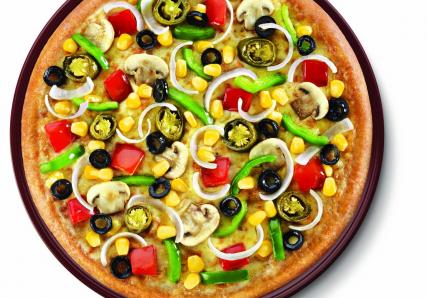
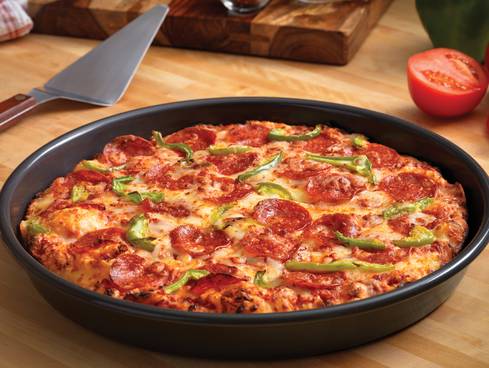
LOWEST CALORIE 'PIZZAS' - 2

CONTINUED FROM :- 

LOWEST CALORIE 'PIZZAS' - 1


According to Healthaliciousness.com, generally a slice of pizza's calories ranges from 123 to 368. It gives 3-11% of the daily value of cholesterol per slice. If you are confused on deciding the pizza of low calories, go for thin crust pizzas with vegetable toppings and avoid extra cheese. Here is the list of the pizzas with the lowest to highest calories.


15. LITTLE CAESARS 14 inch PEPPERONI PIZZA,
DEEP DISH CRUST - Calories per slice (104 g) :- 276 Cal/g.

16. LITTLE CAESARS 14 inch ORIGINAL ROUND MEAT & VEGETARIAN PIZZA, 
REGULAR CRUST - Calories per slice (115 g):- 279 Cal/g.

17.PIZZA HUT 12 inch CHEESE PIZZA, 
THICK CRUST - Calories per slice (100 g):- 280 Cal/g.

18. PIZZA HUT 12 inch PEPPERONI PIZZA,
THICK CRUST - Calories per slice (96 g):- 289 Cal/g.

19. PIZZA HUT 14 inch PEPPERONI PIZZA,
REGULAR CRUST - Calories per slice (101 g):- 290 Cal/g.

20. PAPA JOH'S 14 inch PEPPERONI PIZZA, 
REGULAR CRUST - Calories per slice (117 g):- 304 Cal/g.

21. PIZZA HUT 14 inch SUPER SUPREME PIZZA, 
REGULAR CRUST  - Calories per slice (123 g) :- 305 Cal/g.

22. PIZZA HUT 12 inch SUPER SUPREME PIZZA,
REGULAR CRUST - Calories per slice (127 g) :- 309 Cal/g.

23. DOMINO'S 14 inch PEPPERONI PIZZA, 
CLASSIC HAND-TOSSED CRUST - Calories per slice ( 120 g) :- 324 Cal/g.

24. DOMINO'S 14 inch CHEESE PIZZA, 
ULTIMATE DEEP DISH CRUST - Calories per slice (121 g) :- 332 Cal/g.

25. PAPA JOHN'S 14 inch PEPPERONI PIZZA,
ORIGINAL CRUST - Calories per slice (123 g) :- 338 Cal/g.

26. DOMINO'S 14 inch PEPPERONI PIZZA,
ULTIMATE DEEP DISH CRUST - Calories per slice (127 g) :- 366 Cal/G.

27.PAPA JOHN'S 14 inch THE WORKS PIZZA,
ORIGINAL CRUST - Calories per slice (153 g) :- 367 Cal/G.

28. DOMINO'S 14 inch EXTRAVAGANZA FEAST PIZZA,
Calories per slice (151 g):- 368 Cal/g.


ALSO READ:-


BEST PIZZERIAS IN UNITED STATES OF AMERICA - 1


LOWEST CALORIE 'PIZZAS' - 1

According to Healthaliciousness.com, generally a slice of pizza's calories ranges from 123 to 368. It gives 3-11% of the daily value of cholesterol per slice. If you are confused on deciding the pizza of low calories, go for thin crust pizzas with vegetable toppings and avoid extra cheese. Here is the list of the pizzas with the lowest to highest calories.


1. DOMINO'S 14 inch CHEESE PIZZA,
CRUNCHY THIN CRUST - Calories per slice (39 g) :- 123 Cal/g.

2. LITTLE CAESARS 14 inch CHEESE PIZZA,
THIN CRUST - Calories per slice (48 g) :- 148 Cal/g

3.PIZZA HUT 12 inch CHEESE PIZZA,
THIN 'N CRISPY CRUST - Calories per slice (69 g) :- 210 Cal/g.

4. PIZZA HUT 14 inch CHEESE PIZZA,
THIN'N CRISPY CRUST  - Calories per slice (76 g) :- 224 Cal/g.

5. LITTLE CAESARS 14 inch ORIGINAL ROUND CHEESE PIZZA,
REGULAR CRUST - Calories per slice (89 G) :- 236 Cal/g.

6. LITTLE CAESARS 14 inch ORIGINAL ROUND PEPPERONI PIZZA, 
REGULAR CRUST - Calories per slice (90 g) :- 247 Cal/g.

7. PIZZA HUT 14 inch PEPPERONI PIZZA,
THICK CRUST  - Calories per slice (96 G) :- 255 Cal/g.

8. PAPA JOH'S 14 inch CHEESE PIZZA,
THIN CRUST - Calories per slice (87 g):- 257 Cal/g.

9. PIZZA HUT 12 inch CHEESE PIZZA,
REGULAR CRUST - Calories per slice (96 g) :- 260 Cal/g.

10. PIZZA HUT 14 inch CHEESE PIZZA,
THICK CRUST - Calories per slice (95 g) :- 266 Cal/g.

11.LITTLE CAESARS 14 inch CHEESE PIZZA,
LARGE DEEP DISH CRUST - Calories per slice (102 g) :- 268 Cal/g.

12. PIZZA HUT 12 inch PEPPERONI PIZZA,
REGULAR CRUST  - Calories per slice (96 g) :- 269 Cal/g.

13. PIZZA HUT 14 inch CHEESE PIZZA, 
REGULAR CRUST - Calories per slice (100 g) :- 271 Cal/g.

14. DOMINO'S 14 inch CHEESE PIZZA, 
CLASSIC HAND-TOSSED CRUST - Calories per slice (106 g) :- 272 Cal/g.


CONTINUED IN:-

LOWEST CALORIE 'PIZZAS' - 2.


ALSO READ:-


BEST PIZZERIAS IN UNITED STATES OF AMERICA - 1


CALCIUM - IMPORTANCE AND FOODS RICH IN IT

CALCIUM:- 

It is one of the most important minerals required in right quantities by the human body for;- 
  • normal growth and maintenance of strong teeth and bones, 
  • nerve signaling, 
  • muscle contraction 
  • secretion of certain hormones and enzymes.
  • It also helps in weight loss as per a research. 
"Really exciting research shows that if you get three servings of dairy daily, you are not only preventing osteoporosis, but you're enhancing weight loss," says WebMD Weight Loss Clinic Dietitian Kathleen Zelman, MPH, RD, LD. 
However, the research has only dairy products involved in it. "It seems there is a synergistic relationship between protein and calcium. Eating other calcium-rich foods, like collards, won't do that." 

CALCIUM DEFICIENCY:-

If there is a reduction in the intake of calcium, it leads:- 
  • to numbness in fingers and toes, 
  • muscle cramps, 
  • convulsions, 
  • lethargy, 
  • loss of appetite, 
  • abnormal heart rhythms. 

EXCESS INTAKE OF CALCIUM:-


On the contrary, if we take excess of calcium from the supplements in particular, it leads to:- 
  • kidney stones, 
  • calcification of soft tissue, 
  • increased risk of vascular diseases like stroke and heart attack. 

GOOD SOURCES OF CALCIUM:- 

1. DARK LEAFY GREENS -

  • WATERCRESS - 12%*
  • CURL KALE -14%* 
  • DANDELION GREENS - 10%* 
  • TURNIP GREENS - 10%* 
  • ARUGULA - 6%* 
  • COLLARDS - 5%* 
* DAILY VALUE / CUP, CHOPPED RAW.

2.LOW FAT CHEESE:-

  • MOZZARELLA NON-FAT CHEESE - 95%*
  • LOW FAT SWISS - 27%*
  • REDUCED FAT PARMESAN - 31%*
  • COTTAGE CHEESE 2%*
* - DAILY VALUE / OUNCE

3. LOW FAT MILK AND YOGURT:-

  • NON FAT MILD - 13%*
  • NON FAT YOGURT - 49%*
* - DAILY VALUE / CUP

4. CHINESE CABBAGE:-

  • PAK CHOI, BOK CHOY - 11%*
  • GREEN  CABBAGE - 4%*
  • RED LEAF  CABBAGE - 3%*
* - DAILY VALUE / CUP COOKED

5. FORTIFIED SOY PRODUCTS:-

  • TOFU - 35%*
  • NONFAT SOY MILK - 13%*
  • UNSWEETENED SOY MILK - 13%*
* - DAILY VALUE / HALF CUP

6. OKRA COOKED - 8% DV

7. BROCCOLI - 5% DV

8.GREEN SNAP BEANS - 4 % DV

9. ALMONDS - 26% DV

10. FISH CANNED :-

  • SARDINES, IN OIL WITH BONES - 38% DV
  • PINK SALMON - 8% DV
  • ANCHOVIES - 6% DV
  •  SHRIMP - 4% DV


EGGS - SOME MEAGER KNOW FACTS


Good things always come in small parcels. This seem very much true with regards to the EGGS, which are power packed with protein and minerals. Many feel that a breakfast without egg is simply not worth-it. The contents in an egg reduces our desire to eat sweet foods to a large extent. But we don't seem to know the actual truth about the egg. So here are some meagerly know facts about an egg.

  • COMPLETE PROTEINS:
The whole nutritious amount of proteins present in the egg is completely absorbed by the body as it is broken down into smaller units called AMINO ACIDS. The body building foods are no match an egg, because you will have to eat a lot of protein powder to get the exact amount of proteins present in an egg. 

  • RICH YELLOW YORK:
A bright yellow colored egg yolk does not mean that it is high in nutritive value. The color of the egg yolk varies in accordance with the feed given to the chicken. It is dark yellow when they are feed with carotene rich grasses. 

  • HAPPINESS:
This a very interesting fact about an egg. The egg yolk contains a specific vitamin called CHOLINE, which in turn breaks down into BETHANE,  a substance used during METHYLATION. Neurotansmitters like SEROTONIN, DOPAMINE and NOREPHINEPHRIN are released during the process, which are termed collectively as, "HAPPINESS HORMONES".

  • EGG WHITES:

Confirming that an egg is healthy by looking at the opacity of its white part is too not wise. Actually the color of the egg white becomes clear with age, whereas new eggs have a more milky and translucent white. But none of these seem to affect the nutritious value of the egg. So one is free to eat both the type of eggs - old and new.

  • AGE OF A CHICKEN:
The age of a chicken counts when it comes to the levels of SOLIDS present in an egg. A study has proved that old (97 weeks) and young (28 weeks), produce eggs that are low in solids. 

  • BROWN OR WHITE:
This is an age old debate which is still going on with regards to the nutritive value of the egg compared to its shell color.But there is no relation between the shell color and its nutrition. The shell color depicts only the breed of the chicken.

  •  LONG SHELF LIFE:

The egg, always has a prolonged shelf life. It can be consumed 3-5 weeks after the expire of their sell by date. There are USDA's findings to prove this. 


FOODS WHICH YOU MUST NOT EAT AGAIN

     When you are working hard to reduce your body weight and get healthy, there are some specific foods which you must avoid in your diet chart. Many are not aware of the problem in the food and consume it more often. But most of the food are precise and have contents that are known to cause weight gain. 


THE TOP FIVE FOODS THAT YOU NEED TO AVOID ARE GIVEN HERE:-


1. WHITE BREAD:-

     The white bread found in many stores and pantries is a very common food but it does not have any kind of nutritive value. It has a lot of sugar but does not give you a satisfied meal. Some claim to have more wheat but it has more sugar than grain, so it has to be avoided. Try to take WHOLE GRAIN or WHEAT BREAD when ever possible. The nutritive value can also be substituted by using lettuce leaves and whole grain tortillas in the sandwiches.


2.FRIED FOODS:-

Many of us know that fried foods are unhealthy and it must be avoided as much as possible. The many reason that it has to be specified in this list is that many relate FRIED FOODS only with fast food restaurants, but it is not so. Because we consume such foods even at home. Try to avert frying any meal. Try cooking them by BAKING or BROILING, because they are not nutritious and can cause the CHOLESTEROL level in the blood to exceed the normal level thereby increasing our BP. It also makes you obese.


3. CREAM-BASED SALAD DRESSINGS:-


     This a favorite food of those in diet, because it is very low in calories and definitely nutritious. But salads can become very unhealthy when they are clothed  in cream based dressings. All the cream based dressings have a lot of fat and are rich in calories. It is possible to have more fat than the whole meal. Compensate the loss of cream with light salad oils like Virgin Olive Oil, which is of low calories and are good for health. 


4. WHITE RICE:- 


     Being an common ingredient in many recipes RICE is a famous dish in many meals. Many think that Rice is a healthy food. But the fact behind it is that it is a store house of high calories with no nutritive value. Substitute it with  BROWN RICE which is a very good option, because it is full of fiber, vitamins, and nutrients. It will surely keep you tummy satisfied for more time, this helps to prevent you from over eating. 


5. HIGH FRUCTOSE CORN SYRUP:-


     There is always a hassle whether HIGH FRUCTOSE CORN SYRUP is good or bad for health. It is definately not good for regular eating because it will cause one to gain weight and makes us more eager to eat sugar and sugary foods. Over eating of sugary foods, rich in fructose corn syrup leads to diabetes and other related health problems. As an alternative eat fresh berries and fruits instead of processed one. 


Try to desist these foods from your diet which will make you lose weight, look fit and healthier than ever before. Don't ever try to take these in your menu. Go for more healthier substitutions and keep your self healthy and happy.


PERFECT OIL FOR HEALTHY COOKING - PART II


CONTINUED FROM: 

PERFECT OIL FOR HEALTHY COOKING - PART - I 


  Surplus scientific research has proved that we need to consume the correct amount of HEALTHY FATS for a good health. The type of fat in our diet is more important than the total fat we consume. Oils are always cathartic to the heart and the brain when compared to the animals fats. This is because the fats that are present in the animal fat have more amount of saturated fats, which are closely related to cholesterol, LDL cholesterol, type 2 diabetes, and cardiovascular diseases. 
     
     There are so many kinds or cooking oils in the market, which makes it really confusing for us to choose which one is apt for our health. Be clear that all oils have the same calorie content. They vary in accordance with their nutritive value. All the oils have varying amounts of saturated fats, monounsaturated fats, polyunsaturated fats. According to this they have various uses in the kitchen.


     We seem to use oils with omega-6 fatty acids and not enough of omega-3 fatty acids. It is suggested that we use more of monounsaturated fats in whole foods like olive oil and canola oil, while reducing the intake of corn, soybean and safflower oils which are rich in omega - 6 fats.


8. CORN OIL - 

Fat Breakdown: 25% monounsaturated, 62% polyunsaturated, 13% saturated fat. 

Culinary uses: Mostly used for deep-frying and baking.


9. SOYBEAN OIL -

Fat Breakdown: 24% monounsaturated, 61% polyunsaturated, 15% saturated. 

Culinary uses: Has a high smoke point. Used for baking and deep-frying.


10. SUNFLOWER OIL - 

Fat Breakdown: 20% monounsaturated, 69% polyunsaturated, 11% saturated. 

Culinary Uses: High smoke point. Has no flavor. Very good for baking.


11. WALNUT OIL -

Fat Breakdown: 19% monounsaturated, 67% polyunsaturated, 14% saturated. 

Culinary uses: Has a moderately high smoke point. Has a high walnut flavor. Used in baked desserts, and as salad dressing.


12. GRAPE SEED OIL - 

Fat Breakdown: 17% monounsaturated, 71% polyunsaturated, 12% saturated. 

Nutritional Benefits: The antioxidants may decrease the risk of heart diseases. 

Culinary uses: Has a tart taste. Used for sauteing or frying.


13. SAFFLOWER OIL - 

Fat Breakdown: 13% monounsaturated, 77% polyunsaturated, 10% saturated. 

Culinary Uses: Has high smoke point with light flavor. Used to deep-fry food.


14. COCONUT OIL - 

Fat Breakdown: 6% monounsaturated, 2% polyunsaturated, 92% saturated fat. 

Culinary Uses: Has a low smoke point. Used to give a buttery texture in Southeast Asian dishes.