Showing posts with label FOOD. Show all posts

COFFEE - FLOWER AND PLANT


PLANT PROFILE
Scientific name: Coffea spp
Family: Rubiaceae
Origin: Ethiopia
Category: Perennial crop

      Also known as the “Arabian Jasmine”, the coffee plant has great value both for its beans and blooms. The beans are used to make coffee whereas the flowers are used to make perfume. The genus Coffea is derived from the word “Kaffa” which refers to a province in Ethiopia. It is the original home land of the coffee plant. Many varieties of coffee plants are found in the wild rain forest mountains. The plant was classified in the 18th century under the Rubiaceous Family. There are 60 different species of coffee tree, but only two f them dominate world trade, they are Coffea arabica with 75% production and Coffea canephora popularly known as Robusta.

THE PLANT:-
     It is a shrub with a straight trunk, which survives upto 50 years. It starts to bloom during the third year but it becomes profitable only from the fifth year onwards. It grows to a height of 18 m but it is stunted to 2 m for commercial purposes.
     THE LEAVES are spear-shaped with dark green color and are shiny on the upper surface. They grow in pairs on both sides of the stem. The leaves of Robusta trees are much larger than that of the Arabica.

     THE FLOWERS are pure white in color, with five to six petals. The pistil that comes from the cupule is tipped with delicate stigmas. They bloom in clusters at the leaf axils along the stem. The interesting point is that they smell like jasmine and not like coffee. The flowers are in the form of ‘Glomerules’ or little tufts made up of 8-15 flowers each at the base of the leaves. Each tree produces upto 30,000 flowers per year. They have a jasmine like fragrance. The flowers last only for a few hours. They start to wilt once they are fertilized, but are replaced by fresh ones the following day. Because of this one can see leaves, flowers and fruits on the same plant at the same time.

 THE CHERRY of the coffee tree is also called as the drupe which is green in the beginning and as it ripens over several months it becomes yellow, then red, garnet red and finally black. But they are harvested when red in color. they are oval-shaped and mature in seven to eleven months. Each berry has two flat seeds called coffee bean. The berry with one seed is called as Pea-berry. The berry needs to be fully ripe to give good quality coffee. The harvested beans undergo careful processing of sun drying, fermenting, pulping, roasting and grinding to become coffee.

IMPORTANT FACTORS FOR GROWING COFFEE:-

·         Must avoid excessive heat and cold.
·         It needs a deep, loose, fertile and well drained soil.
·         The pH must be slightly neutral to acidic.
·         Fertilize with 15:15:15 NPK fertilizer once every fortnight.
·         There must be 1200-1500 mm of rain/year.
·         Only few hours of day light.
·         No strong winds.
·         When it comes to altitude the higher the better.


Coffee grows perfectly in between 280 N and 300 S; so the most suitable areas included West Africa, East Africa, Central America, Yemen, Madagascar, India, Indonesia and Vietnam. 
FOODS THAT SHOULD NOT BE CHILLED

Some foods should not be refrigerated because they will lose quality. Food safety will not be compromised, but the character, texture, or taste of the food will be adversely affected by chilling. In fact, in the case of foods like tomatoes or potatoes, they become inedible when stored in the refrigerator.

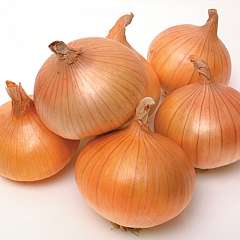
 1. ONIONS: - Don’t store onions in the refrigerator. Keep them unpeeled in a cool, dry and well-ventilated place out of their plastic bags. If refrigerated they become a bit soft and will surely lose their crispiness and will also make other foods smell like onions. They should be stored away from the potatoes because they rot much faster by the gases emitted by both of them.

2. PUMPKIN: -This requires a well-ventilated location that’s also dry, dark and cool such as the basement.

3. HONEY: - Most of the people put honey in the fridge, but it doesn't require refrigeration to stay good. The Ontario Beekeepers’ Association says that honey should be kept in a tightly closed container at room temperature in a dry place. Refrigerating it can cause crystallization, making it hard to spread. Honey’s acidic pH and sugar content keeps any spoiling microorganisms at bay.

4. POTATOES: - Potatoes should be given a dark, cool and dry space, after removing them from their plastic bags, and keep them unwashed in a well-ventilated cardboard box according to the Potato Growers of Alberta. When potatoes are chilled, the starches in the flesh change to sugars. This will make the potatoes taste sweet when cooked.

5. WHOLE TOMATOES: - Tomatoes do not like cold temperatures. The Ontario Greenhouse Vegetable Growers say that cold air usually changes the cell structure making them mushy and gross.

6. PEANUT BUTTER: - Some fresh, organic brands do require refrigeration. But most ordinary peanut butters should be stored, tightly covered, in the pantry, even after opening. It will just be fine and will be easier to spread.

7. BAKED ITEMS: - Leaving bread in the fridge (unless otherwise if specified in the label), will give it a tougher texture, which isn't always desirable. This is because the starch in the bread changes structure by a process called Retrogradation and it is sure to lose its moisture content drastically. All baked goods like cookies if refrigerated will lose its flavor and texture.

8. SOME SPECIFIC FRUITS: - Fruits like apples, apricots, bananas, kiwi, peaches, plums and mangoes are kept open until they ripen because it retains their nutrients better. Apples are good for about a week if stored at room temperatures but when stored in the fridge they last even longer. If bananas are kept in the fridge their skin turns black but the inside is still the same and fine.

9. OILS: - Oils usually thicken up and get cloudy in the fridge. The exception is nut oils, which can turn rancid very quickly and should be stored chilled.


10. CHOCOLATE: - When chocolate is kept too cold, and is then brought to room temperature, condensation can make sugar condense on the top of the product, forming a rough surface called sugar bloom. Unless directed on the label, store chocolate, tightly wrapped, in a cool cupboard.

WALNUT - THE MOST HEALTHIEST NUT IN THE WORLD

Walnuts:- This nut is a common ingredient of our daily life. We eat it in chocolates, cakes and cookies. It is good for the skin and body. Many branded makeup and skin care brands include walnuts in their ingredients as they are packed with essential nutrients. The English walnut tree provides clusters of small flowers called catkins. These when self or cross pollinated gives the nutritious walnut. They are the traditional food of the Mediterranean’s, South Americans and Asians. It also has a very versatile culinary use. It is most grown in the US. The consumption of the nut has increased considerably after the increased information about its health benefits became known to people.

 Nutritional Profile:- The nuts are rich source of energy and contain health benefiting nutrients, minerals, antioxidants and vitamins that are essential for optimum health. Walnuts are a good source of anti-inflammatory omega-3 essential fatty acids like - alpha-linolenic acid, oleic acid, linoleic acid, and arachidonic acids. It is rich in antioxidants, and is a good source of manganese, and copper, it also has calcium, chromium, iron, magnesium, phosphorus, potassium, selenium, vanadium and zinc. Vitamin B6 is the found in good quantities in this nut. This nut also has phytonutrients like phenolic acids, ellagitannins, tellimagrandins, flavonoids, which are anti-inflammatory compounds. It is a very good source of gamma-tocopherol form of vitamin E. They have a rich source of monounsaturated fatty acids to about 72%. Regular intake of walnuts in the diet helps to lower total as well as LDL or “bad cholesterol” and increases HDL or “good cholesterol” levels in the blood. These nuts are packed with many important B-complex groups of vitamins such as riboflavin, niacin, thiamin, pantothenic acid, vitamin B-6, and folates.

 How Much should we eat:- To have a healthy life the first step one must take is to eat upto 1 ounce or 14 halves of walnut every day. It has 190 calories, 2.6 gm of omega-3 fatty acids and a good concentrated source of Vitamin E and magnesium. It can be taken as an anytime snack. It can be added to salads, yogurt, breakfast cereals, or oatmeal. It can be added to fresh or dried fruits. It can also be added to white rice, quinoa and whole wheat pastas.

 15 AMAZING BENEFITS OF WALNUTS:-
1. HEART: - The omega-3 fatty acids are very essential for our cardiovascular system. It reduces high blood pressure, and bad cholesterol in our body thereby encouraging the production of good cholesterol.
2. IMMUNITY: - The anti-oxidants present in the nuts helps to keep our immune system healthy and prevent the onset of diseases.
3. BRAIN: - The omega-3 fatty acids help the proper and smooth functioning of the brain and the nervous system. It helps to improve memory power.
4. BREAST CANCER:-  eating a few walnuts every day helps to keep the risk of most common breast cancers away.
5. INFLAMMATORY DISEASES:- Asthma, Arthritis, Eczema kind of diseases can be prevented due to the fatty acid content of the nut.
6. BONE HEALTH:- Omega-3 fatty acids, alpha linolenic acid, and its compounds are closely associated with strong, healthy bones.
7. SLEEP AND STRESS:- the melatonin present in the nut helps us to have a better sleeping pattern. The fatty acid reduces the blood pressure which ultimately relieves us from stress.
8. PREGNANCY:- The Vitamin B complex comprising of folates, riboflavin thiamin and more are present in the nut which is necessary for pregnant women and the growing fetus.
9. CONSTIPATION AND DIGESTIVE SYSTEM: - The fiber content in the nut helps to keep our digestive system functioning properly. It helps in the proper movement of our bowels.
10 SKIN: - the Vitamin B complex and Vitamin E helps to fight free radicals which is an excellent stress and mood manager. This inversely helps us to have better skin and delays the ageing process. The walnut oil is a good moisturizer and also helps our body to grow healthier and radiant cells.
11. DARK CIRCLES:- Regular application of warm walnut oil helps to lighten the dark circles. It is a wonderful soothing agent, relaxes our eyes, and retains its glow and color.
12. HAIR:- The potassium, Omega-3, Omega 6, and Omega 9 fatty acids present in the nut strengthens the hair follicles thereby leaving our hair long, strong, healthy and glowing. It also prevents Balding.
13. ANTI-DANDRUFF AGENT:- it is a natural anti-dandruff agent because of its high moisturizing properties.
14. HEALTHY SCALP:- Its anti-fungal properties help to keep ringworm infections at bay. Regular application of the oil keeps the scalp moisturized and hydrated.
15. HAIR COLOR:- The husk of the nut has rich amount of various proteins, which helps naturally color the hair and makes it glow.

BEST AMERICAN FOOD TRUCKS - 2013

 Best Food Trucks in America 2013:-

     Food website The Daily Meal, “All Things Food & Drink,” loves its polls and “best of” lists, and the latest entry is the 101 Best Food Trucks in America For 2013. Not surprisingly, big cities ruled the list, with Los Angeles amassing the most winners, 16, followed by San Francisco and New York with 11 and 10 respectively. However, Big Apple fans will be happy to learn that their Red Hook Lobster Truck took the Number One spot in the nation.

     The Daily Meal canvassed 33 cities for more than 300 candidates, then added staff favorites, and trucks that had been “singled out for praise by organizations, and national and local publications, both in print and online.”  Daily Meal stated in its release, “This is a list of food trucks. While a few dessert trucks ranked, they were the exceptions. If you just make cupcakes or serve coffee, you’re not a food truck – you’re a cupcake truck, or a coffee truck. That doesn’t mean you’re bad people. Nobody disputes the challenges of creating innovative desserts for mobile distribution, but with rare exception it didn’t seem fair to include trucks serving shaved ice, slushes, and ice cream with those doing full savory menus.”

   Despite this wordy explanation, they did in fact include such trucks, and the sole distinction seems to be that if an ice cream has gotten a lot of press it makes the list. These two factors eliminated many nominees and left a field of 270 trucks, which were judged on three criteria: critical review, social (media) score, and originality.


These are Top 20 of the Daily Meal’s 101 Best Food Trucks in America 2013.

101. Brown Bag Lunch Truck (Chicago)
100. Coast 2 Coast (Las Vegas)
  99. Manna From Heaven (Denver)
  98. Go Gyro Go (St. Louis)
  97. Pizza Buds (Nashville, Tenn.)
  96. The Flying Stove (Wichita, Kan.)
  95. Rib Whip (San Francisco)
  94. La Cocinita (New Orleans)
  93. The Southern Mac & Cheese Truck (Chicago)
  92. Luke's Lobster (New York City)
  91. Coreanos (Houston)
  90. Fist of Fusion (Los Angeles)
  89. Hey you Gon Eat or What (Austin, Texas)
  88. The People's Pig (Portland, Ore.)
  87. Hodge Podge (Cleveland, Ohio)
  86. Bruno's GastroTruck (Smith Mountain Lake, Va.)
  85. Roti Rolls (Charleston, S.C.)
  84. Vellee Deli (Twin Cities)
  83. Quiero Arepas (Denver)
  82. Souvlaki GR (New York City)
  81. Lucky Old Souls (Philadelphia)
  80. Cha Cha Chow (St. Louis)
  79. Easy Slider (Dallas)
  78. Rito Loco (Washington, D.C.)
  77. Geechee Island (Charleston, S.C.)
  76. Streetza (Milwaukee)
  75. JapaCurry (San Francisco)
  74. Devilicious (San Diego, Calif.)
  73. India Jones Chow Truck (Santa Monica, Calif.)
  72. DC Slices (Washington, D.C.)
  71. Komodo Truck (Los Angeles)
  70. Senor Sisig (San Francisco)
  69. Le Truc (San Francisco)
  68. Latin Burger and Taco (Miami)
  67. Scratch Food Truck (Indianapolis)
  66. Red Hook Lobster Pound (Washington, D.C.)
  65. Slap Yo Mama (Los Angeles)
  64. Taim Mobile (New York City)
  63. Baby's Badass Burgers (Los Angeles)
  62. Liba Falafel Truck (San Francisco)
  61. Jogasaki Sushi Burrito Truck (Los Angeles)
  60. Seoul Taco (St. Louis)
  59. Dim Ssäm à gogo by Sakaya Kitchen (Miami)
  58. Spencer on the Go (San Francisco)
  57. Riffs Fine Street Food (Nashville, Tenn.)
  56. Lobsta Truck (Los Angeles)
  55. Dusty Buns (Fresno, Calif.)
  54. KoJa Kitchen (San Francisco)
  53. Hapa SF (San Francisco)
  52. LudoTruck (Los Angeles)
  51. Nom Nom Truck (San Francisco)
  50. Clover Food Truck (Boston)
  49. Sky's Gourmet Tacos (Los Angeles)
  48. Ms. Cheezious Fresh Made Grilled Cheese (Miami)
  47. Jefe's Original Fish Taco & Burgers (Miami)
  46. Crepes Bonaparte (Anaheim, Calif.)
  45. Pepe Food Truck (Washington, D.C.)
  44. Food Shark (Marfa, Texas)
  43. Maximus/Minimus (Seattle)
  42. Seabirds (Orange County, Calif.)
  41. 5411 Empanadas (Chicago)
  40. Seoul Sausage (Los Angeles)
  39. Border Grill (Los Angeles)
  38. Vizzi Truck (Los Angeles)
  37. El Camión (Seattle)
  36. Oh My Gogi! BBQ (Houston)
  35. The Eatsie Boys (Houston)
  34. The Peached Tortilla (Austin, Texas)
  33. GourMelt (Reno, Nev.)
  32. Basil Thyme (Washington, D.C.) 
  31. Chairman Bao Bun Truck (San Francisco) 
  30. Mas Tacos Por Favor (Nashville, Tenn.) 
  29. Sam's ChowderMobile (San Francisco)
  28. Only Burger (Durham, N.C.) 
  27. Korilla BBQ (New York City) 
  26. Fukuburger Truck (Las Vegas) 
  25. Fivetenburger (Oakland, Calif.)
  24. KOi Fusion (Portland, Ore.) 
  23. Country Boys/Martinez Taco (New York City) 
  22. The Grilled Cheese Truck (Los Angeles) 
  21. Slidin' Thru (Las Vegas)
  20. Roli Roti Gourmet Rotisserie (San Francisco) 
  19. The Grilled Cheeserie (Nashville, Tenn.)
  18. Bernie's Burger Bus (Houston) 
  17. Guerrilla Street Food (St. Louis) 
  16. Marination Mobile (Seattle) 
  15. Roxy's Gourmet Grilled Cheese (Boston)
  14. Grill 'Em All (Los Angeles)
  13. Wafels & Dinges (New York City) 
  12. The Buttermilk Truck (Los Angeles)
  11. Schnitzel & Things (New York City) 
  10. Chef Shack (Twin Cities) 
    9. Where Ya At Matt (Seattle) 
    8. The Cinnamon Snail (New York City) 
    7. Rickshaw Stop (San Antonio)
    6. East Side King (Austin, Texas) 
    5. The Lime Truck (Orange County, Calif.) 
    4. Big Gay Ice Cream Truck (New York City) 
    3. Fojol Brothers (Washington, D.C.) 
    2. Kogi BBQ (Los Angeles)

    1. Red Hook Lobster Truck (New York City)

INCREASE FRUIT & VEGETABLE CONSUMPTION AND REDUCE RISK OF MORTALITY

An analysis made by Europeans suggests and confirms a relationship between fruit and vegetable consumption and the risk of mortality. As confirmed earlier more consumption of fruits and vegetables reduces all kinds of mortality, specially cardiovascular disease mortality. Though this is not a new invention, it simply confirms their role in reducing the mortality rate. 

This analysis was recently published in the "American Journal of Epidemiology" was done by researcher from 10 different countries as a part of European Prospective Investigation into Cancer and Nutrition (EPIC). The sample that where under study, includes 25,682 deaths among the 451,151 participants studied for more than 13 years.

"This study is the most significant epidemiological study that this association has examined to date. There is now sufficient evidence of the beneficial effect of fruit and vegetable consumption in the prevention of cancer and other chronic diseases. For this reason, one of the most effective preventative measures is promoting their consumption in the population," says Maria Jose Sanchez Perez, director of the Andalusian School of Public Health's (EASP) Granada Cancer Registry and one of the authors of the research, explains to SINC. 

According to the study, a mixed vegetable and fruit consumption of more than 569 g/day brings down the risk of mortality by 10% and delays the risk of mortality by 1.12 years, when compared to a consumption of less than 249 g/day. If there is a 200 g increase in the daily fruit and vegetable consumption, the risk falls by 6%. 

FRUIT FOR THE HEART:

A balanced diet rich in fruit and vegetables curtails the contingency of cardiovascular disease mortality by 15%. Even more than this, 4% of deaths due to heart diseases can be stopped by consuming more than 400 g of fruits and vegetables a day. If only fruits were consumed it did not make a significant reduction in risk, but when vegetable were consumed separately the risk factor was very much under control. Especially when vegetables are consumed raw, the risk of mortality was reduced by 16%.

"With regard to cancer mortality, no statistically significant risk reduction was found, although it will be necessary to assess this according t specific types of cancer," Sanchez adds. But she states that the fruit and vegetable consumption, is associated with reducing the risk of certain cancers like - colon and rectal, stomach, lung etc. Further study is expected to prove its link with reducing mortality due to tumors.

EFFECT IN PEOPLE WITH BAD HABITS:

The mortality risk reduction due to fruit and vegetable consumption was greater in those participants who consumed alcohol who were obese - 20%, and possibly" also in those who smoked. The reason behind this reduction is due to the high antioxidant content in the fruits and vegetables which mitigates the oxidation stress caused by alcohol, tobacco and obesity."As such, these population groups in particular could benefit from the positive effects of fruit and vegetables in preventing chronic diseases and their associated mortality risk," Sanchez concludes.

"DRINKS" - TOP CONSUMERS OF DIFFERENT BEVERAGES

TOP TEA CONSUMERS :-


  1. TURKEY          - 1,656*
  2. MOROCCO       - 1,113*
  3. UZBEKISTAN    -   982*
  4. RUSSIA           -   840*
  5. KAZAKHSTAN   -   830*
  6. IRELAND         -    821*
  7. NEW ZEALAND -    778*
  8. IRAN               -   686*
  9. EGYPT             -   679*
  10. UK                  -   644*
* - CONSUMPTION PER CA-PITA (CUPS)


TOP COFFEE CONSUMERS:-


  1. NORWAY               - 2,364*
  2. THE NETHERLANDS - 1,539*
  3. ICELAND               - 1,459*
  4. FINLAND               - 1,206*
  5. GERMANY              - 1,054*
  6. SWEDEN                - 1,025*
  7. DENMARK              -    863*
  8. BELGIUM               -    667*
  9. BRAZIL                 -    660*
  10. SERBIA                 -    559*
* - CONSUMPTION PER CA-PITA (CUPS)


TOP BOTTLED-WATER CONSUMERS:-


  1. MEXICO - 143.3*
  2. SPAIN - 115.2*
  3. FRANCE - 101*
  4. ITALY - 99.1*
  5. BELGIUM - 74.1*
  6. TURKEY - 71.5*
  7. USA - 67.8*
  8. PORTUGAL - 64.5*
  9. ISRAEL - 61.1*
  10. INDONESIA - 58.1*
* - CONSUMPTION PER CA-PITA (LITERS)


TOP COLA DRINK CONSUMERS:-

  1. MEXICO           - 87.2*
  2. CHILE              - 71.4*
  3. NORWAY          - 67.6*
  4. ARGENTINA      - 65.2*
  5. USA                - 63.3*
  6. BELGIUM         - 60.3*
  7. CANADA          - 49.6*
  8. IRELAND         - 46.5*
  9. NEW ZEALAND - 46.3*
  10. AUSTRALIA      - 44.5*
* - CONSUMPTION PER CA-PITA (LITERS)


TOP ALCOHOLIC DRINK CONSUMERS:


  1.  CZECH REPUBLIC - 151.2*
  2. GERMANY            - 108.2*
  3. AUSTRIA              - 101.8*
  4. IRELAND              - 101*
  5. BELGIUM              -  89.7*
  6. AUSTRALIA           -  88.7*
  7. POLAND               -  86.8*
  8. FINLAND              -  81.3*
  9. ROMANIA             -  77.8*
  10. USA                    -  77.3*
* CONSUMPTION PER CA-PITA (LITERS)


TOP BEER CONSUMERS:-


  1. CZECH REPUBLIC - 151.2*
  2. GERMANY - 108.2*
  3. AUSTRIA - 101.8*
  4. IRELAND - 101*
  5. SLOVENIA - 98*
  6. ESTONIA - 91*
  7. LUXEMBOURG - 90.7*
  8. BELGIUM - 89.7*
  9. AUSTRALIA - 88.7*
  10. POLAND - 86.8*
* - CONSUMPTION PER CA-PITA (LITERS)

LOWEST CALORIE 'PIZZAS' - 2

CONTINUED FROM :- 

LOWEST CALORIE 'PIZZAS' - 1


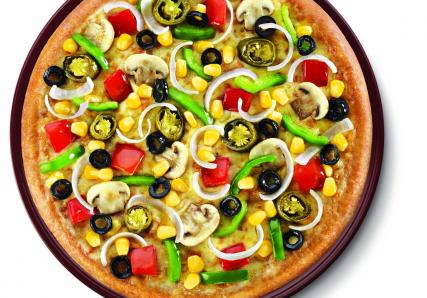
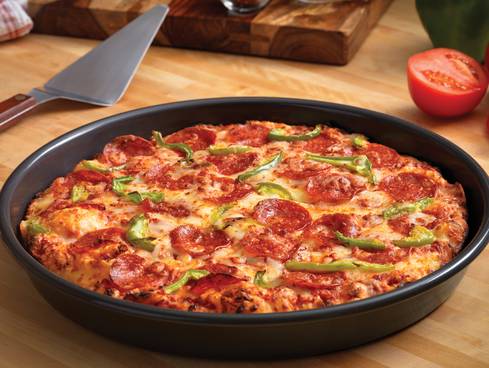
According to Healthaliciousness.com, generally a slice of pizza's calories ranges from 123 to 368. It gives 3-11% of the daily value of cholesterol per slice. If you are confused on deciding the pizza of low calories, go for thin crust pizzas with vegetable toppings and avoid extra cheese. Here is the list of the pizzas with the lowest to highest calories.


15. LITTLE CAESARS 14 inch PEPPERONI PIZZA,
DEEP DISH CRUST - Calories per slice (104 g) :- 276 Cal/g.

16. LITTLE CAESARS 14 inch ORIGINAL ROUND MEAT & VEGETARIAN PIZZA, 
REGULAR CRUST - Calories per slice (115 g):- 279 Cal/g.

17.PIZZA HUT 12 inch CHEESE PIZZA, 
THICK CRUST - Calories per slice (100 g):- 280 Cal/g.

18. PIZZA HUT 12 inch PEPPERONI PIZZA,
THICK CRUST - Calories per slice (96 g):- 289 Cal/g.

19. PIZZA HUT 14 inch PEPPERONI PIZZA,
REGULAR CRUST - Calories per slice (101 g):- 290 Cal/g.

20. PAPA JOH'S 14 inch PEPPERONI PIZZA, 
REGULAR CRUST - Calories per slice (117 g):- 304 Cal/g.

21. PIZZA HUT 14 inch SUPER SUPREME PIZZA, 
REGULAR CRUST  - Calories per slice (123 g) :- 305 Cal/g.

22. PIZZA HUT 12 inch SUPER SUPREME PIZZA,
REGULAR CRUST - Calories per slice (127 g) :- 309 Cal/g.

23. DOMINO'S 14 inch PEPPERONI PIZZA, 
CLASSIC HAND-TOSSED CRUST - Calories per slice ( 120 g) :- 324 Cal/g.

24. DOMINO'S 14 inch CHEESE PIZZA, 
ULTIMATE DEEP DISH CRUST - Calories per slice (121 g) :- 332 Cal/g.

25. PAPA JOHN'S 14 inch PEPPERONI PIZZA,
ORIGINAL CRUST - Calories per slice (123 g) :- 338 Cal/g.

26. DOMINO'S 14 inch PEPPERONI PIZZA,
ULTIMATE DEEP DISH CRUST - Calories per slice (127 g) :- 366 Cal/G.

27.PAPA JOHN'S 14 inch THE WORKS PIZZA,
ORIGINAL CRUST - Calories per slice (153 g) :- 367 Cal/G.

28. DOMINO'S 14 inch EXTRAVAGANZA FEAST PIZZA,
Calories per slice (151 g):- 368 Cal/g.


ALSO READ:-


BEST PIZZERIAS IN UNITED STATES OF AMERICA - 1


LOWEST CALORIE 'PIZZAS' - 1

According to Healthaliciousness.com, generally a slice of pizza's calories ranges from 123 to 368. It gives 3-11% of the daily value of cholesterol per slice. If you are confused on deciding the pizza of low calories, go for thin crust pizzas with vegetable toppings and avoid extra cheese. Here is the list of the pizzas with the lowest to highest calories.


1. DOMINO'S 14 inch CHEESE PIZZA,
CRUNCHY THIN CRUST - Calories per slice (39 g) :- 123 Cal/g.

2. LITTLE CAESARS 14 inch CHEESE PIZZA,
THIN CRUST - Calories per slice (48 g) :- 148 Cal/g

3.PIZZA HUT 12 inch CHEESE PIZZA,
THIN 'N CRISPY CRUST - Calories per slice (69 g) :- 210 Cal/g.

4. PIZZA HUT 14 inch CHEESE PIZZA,
THIN'N CRISPY CRUST  - Calories per slice (76 g) :- 224 Cal/g.

5. LITTLE CAESARS 14 inch ORIGINAL ROUND CHEESE PIZZA,
REGULAR CRUST - Calories per slice (89 G) :- 236 Cal/g.

6. LITTLE CAESARS 14 inch ORIGINAL ROUND PEPPERONI PIZZA, 
REGULAR CRUST - Calories per slice (90 g) :- 247 Cal/g.

7. PIZZA HUT 14 inch PEPPERONI PIZZA,
THICK CRUST  - Calories per slice (96 G) :- 255 Cal/g.

8. PAPA JOH'S 14 inch CHEESE PIZZA,
THIN CRUST - Calories per slice (87 g):- 257 Cal/g.

9. PIZZA HUT 12 inch CHEESE PIZZA,
REGULAR CRUST - Calories per slice (96 g) :- 260 Cal/g.

10. PIZZA HUT 14 inch CHEESE PIZZA,
THICK CRUST - Calories per slice (95 g) :- 266 Cal/g.

11.LITTLE CAESARS 14 inch CHEESE PIZZA,
LARGE DEEP DISH CRUST - Calories per slice (102 g) :- 268 Cal/g.

12. PIZZA HUT 12 inch PEPPERONI PIZZA,
REGULAR CRUST  - Calories per slice (96 g) :- 269 Cal/g.

13. PIZZA HUT 14 inch CHEESE PIZZA, 
REGULAR CRUST - Calories per slice (100 g) :- 271 Cal/g.

14. DOMINO'S 14 inch CHEESE PIZZA, 
CLASSIC HAND-TOSSED CRUST - Calories per slice (106 g) :- 272 Cal/g.


CONTINUED IN:-

LOWEST CALORIE 'PIZZAS' - 2.


ALSO READ:-


BEST PIZZERIAS IN UNITED STATES OF AMERICA - 1


CALCIUM - IMPORTANCE AND FOODS RICH IN IT

CALCIUM:- 

It is one of the most important minerals required in right quantities by the human body for;- 
  • normal growth and maintenance of strong teeth and bones, 
  • nerve signaling, 
  • muscle contraction 
  • secretion of certain hormones and enzymes.
  • It also helps in weight loss as per a research. 
"Really exciting research shows that if you get three servings of dairy daily, you are not only preventing osteoporosis, but you're enhancing weight loss," says WebMD Weight Loss Clinic Dietitian Kathleen Zelman, MPH, RD, LD. 
However, the research has only dairy products involved in it. "It seems there is a synergistic relationship between protein and calcium. Eating other calcium-rich foods, like collards, won't do that." 

CALCIUM DEFICIENCY:-

If there is a reduction in the intake of calcium, it leads:- 
  • to numbness in fingers and toes, 
  • muscle cramps, 
  • convulsions, 
  • lethargy, 
  • loss of appetite, 
  • abnormal heart rhythms. 

EXCESS INTAKE OF CALCIUM:-


On the contrary, if we take excess of calcium from the supplements in particular, it leads to:- 
  • kidney stones, 
  • calcification of soft tissue, 
  • increased risk of vascular diseases like stroke and heart attack. 

GOOD SOURCES OF CALCIUM:- 

1. DARK LEAFY GREENS -

  • WATERCRESS - 12%*
  • CURL KALE -14%* 
  • DANDELION GREENS - 10%* 
  • TURNIP GREENS - 10%* 
  • ARUGULA - 6%* 
  • COLLARDS - 5%* 
* DAILY VALUE / CUP, CHOPPED RAW.

2.LOW FAT CHEESE:-

  • MOZZARELLA NON-FAT CHEESE - 95%*
  • LOW FAT SWISS - 27%*
  • REDUCED FAT PARMESAN - 31%*
  • COTTAGE CHEESE 2%*
* - DAILY VALUE / OUNCE

3. LOW FAT MILK AND YOGURT:-

  • NON FAT MILD - 13%*
  • NON FAT YOGURT - 49%*
* - DAILY VALUE / CUP

4. CHINESE CABBAGE:-

  • PAK CHOI, BOK CHOY - 11%*
  • GREEN  CABBAGE - 4%*
  • RED LEAF  CABBAGE - 3%*
* - DAILY VALUE / CUP COOKED

5. FORTIFIED SOY PRODUCTS:-

  • TOFU - 35%*
  • NONFAT SOY MILK - 13%*
  • UNSWEETENED SOY MILK - 13%*
* - DAILY VALUE / HALF CUP

6. OKRA COOKED - 8% DV

7. BROCCOLI - 5% DV

8.GREEN SNAP BEANS - 4 % DV

9. ALMONDS - 26% DV

10. FISH CANNED :-

  • SARDINES, IN OIL WITH BONES - 38% DV
  • PINK SALMON - 8% DV
  • ANCHOVIES - 6% DV
  •  SHRIMP - 4% DV


EGGS - SOME MEAGER KNOW FACTS


Good things always come in small parcels. This seem very much true with regards to the EGGS, which are power packed with protein and minerals. Many feel that a breakfast without egg is simply not worth-it. The contents in an egg reduces our desire to eat sweet foods to a large extent. But we don't seem to know the actual truth about the egg. So here are some meagerly know facts about an egg.

  • COMPLETE PROTEINS:
The whole nutritious amount of proteins present in the egg is completely absorbed by the body as it is broken down into smaller units called AMINO ACIDS. The body building foods are no match an egg, because you will have to eat a lot of protein powder to get the exact amount of proteins present in an egg. 

  • RICH YELLOW YORK:
A bright yellow colored egg yolk does not mean that it is high in nutritive value. The color of the egg yolk varies in accordance with the feed given to the chicken. It is dark yellow when they are feed with carotene rich grasses. 

  • HAPPINESS:
This a very interesting fact about an egg. The egg yolk contains a specific vitamin called CHOLINE, which in turn breaks down into BETHANE,  a substance used during METHYLATIONNeurotansmitters like SEROTONINDOPAMINE and NOREPHINEPHRIN are released during the process, which are termed collectively as, "HAPPINESS HORMONES".

  • EGG WHITES:

Confirming that an egg is healthy by looking at the opacity of its white part is too not wise. Actually the color of the egg white becomes clear with age, whereas new eggs have a more milky and translucent white. But none of these seem to affect the nutritious value of the egg. So one is free to eat both the type of eggs - old and new.

  • AGE OF A CHICKEN:
The age of a chicken counts when it comes to the levels of SOLIDS present in an egg. A study has proved that old (97 weeks) and young (28 weeks), produce eggs that are low in solids. 

  • BROWN OR WHITE:
This is an age old debate which is still going on with regards to the nutritive value of the egg compared to its shell color.But there is no relation between the shell color and its nutrition. The shell color depicts only the breed of the chicken.

  •  LONG SHELF LIFE:

The egg, always has a prolonged shelf life. It can be consumed 3-5 weeks after the expire of their sell by date. There are USDA's findings to prove this.